



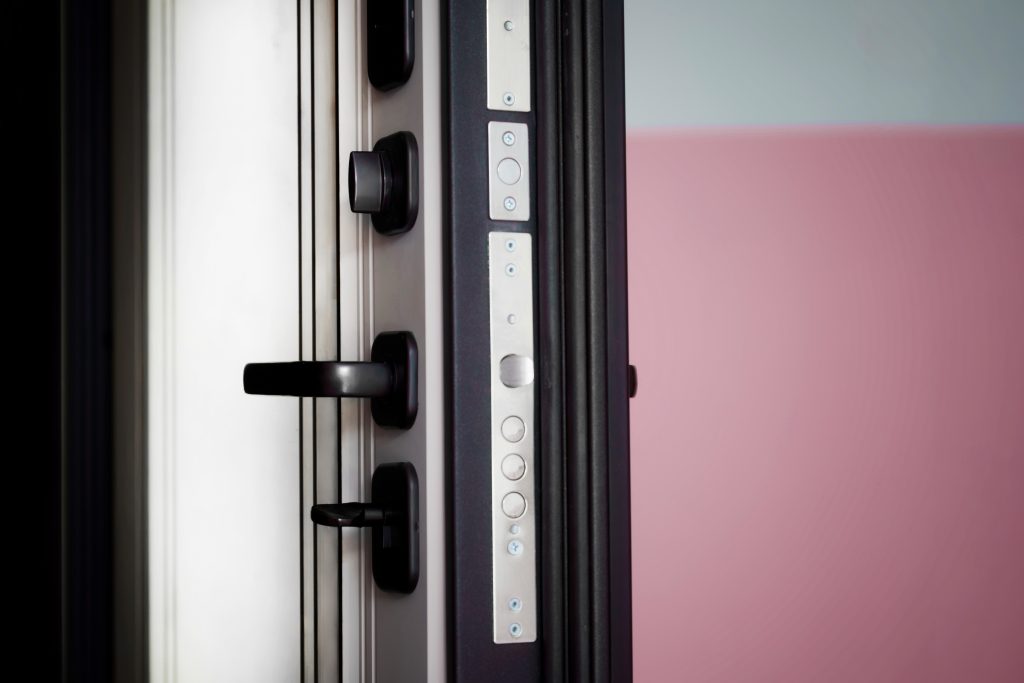
Door security is a huge concern for people, especially front and back doors. Break-ins,
Forced entry, poor locks and weak doors are a huge concern for home security.
Modern external doors are expected to do more than just lock. They must meet insurance expectations and provide structural security by performing reliably over time. Single-point locks are now outdated for most external doors.
Multipoint locking systems have become standard on uPVC doors, composite doors and timber doors. Instead of a single lock, they secure the door at several points along the frame. This improves the overall door security and stability.
At LockCo, we provide a range of multipoint locking systems and replacement parts. With extensive product knowledge and trade experience, we help customers choose the correct solution for their door. This guide explains what a multipoint lock is and why it matters for everyday door security.
What Is a Multipoint Lock?
A locking system that secures at multiple points of the door. While a traditional lock secures the door at one point, commonly in the centre, a multipoint locks at multiple points along the door’s edge. These are commonly located at the top, middle and bottom of the door.
To engage the locking points, you usually have to lift the door handle or turn the key. This activates the internal multipoint lock mechanism, allowing all locking points to engage together. This type of multipoint locking system is commonly fitted to modern external doors.
We provide multipoint locking systems for modern door types. From replacement parts to complete locking systems, LockCo supports both repairs and upgrades.
Why Are Multipoint Locks More Secure?
Door security is about the door, frame and locking system working together. By forcing a door, you are usually putting movement on the edges and corners of the door. Holding the door firmly within the frame helps reduce these weak points.
A multipoint lock mechanism holds the door firmly against the frame by securing it at multiple points. This helps to keep the door aligned within the frame. Improved alignment can reduce looseness over time, supporting both security and durability.
By spreading pressure along the door, wear on the lock case, fixings and hinges is reduced. This helps protect door components from excessive strain during everyday use.
Composite, timber and uPVC doors are designed to work with multipoint locking systems, as these materials benefit from even pressure distribution. Door size and frame type can affect which multipoint lock is required.
This matters for UK homes as external doors are frequently built and tested around multipoint locking systems. As a result, they are widely relied upon in modern housing.
What Types of Multipoint Locks are Available at LockCo?
Multipoint locks are not one-size-fits-all. The multipoint lock that suits you will depend on your door as well as your individual preferences.
Automatic locking systems engage as soon as the door is closed. This reduces reliance on the individual to lock it and lowers the risk of the door being left unlocked. These automatic multipoint locking systems are commonly fitted to modern external doors.
Manual key-wind systems require the handle to be fully lifted or the key to be turned to lock the door. This gives the users control over when the door is fully secured. This can be useful for frequently used doors, such as garden access doors. However, the door must be locked manually each time.
Multipoint locks use different combinations of hooks, rollers and deadbolts. Each component plays a different role within the multipoint lock mechanism. Together, they help keep the door secure and stable.
Hooks secure the door by engaging with the door frame. This pulling action helps to hold the door tightly in place and helps resist sideways movement, improving overall door stability.
Rollers help to guide the door into the correct position within the frame. Rather than providing primary security, they support alignment and sealing.
Deadbolts extend directly into the frame when locked, providing a solid fixing point. They add strength and resistance to forced entry and form a core part of the multipoint locking mechanism.
At LockCo, we supply multipoint locks and replacement systems for a wide range of door types. We support both new installations and like-for-like replacements. We supply both like-for-like replacements and upgrades, helping ensure compatibility and correct fit.
Do Multipoint Locks Improve Door Performance?
Multipoint locks influence more than just security. A multipoint locking system also affects how a door fits, seals and operates day to day.
Engaging the lock pulls the door evenly against the frame, creating consistent compression around the seal. This even pressure can help reduce gaps around the door edge.
- Reduced draughts – even compression helps limit gaps around the door.
- Better weather resistance – a tighter seal helps protect against wind and rain.
- Improved alignment and smoother operation – holding the door evenly in place reduces sticking, rubbing and uneven handle movement.
These benefits improve comfort and usability, adding value beyond basic door security.
How Do I Choose The Right Multipoint Lock?
Selecting the right multipoint lock depends on the door and existing hardware that you have. Door thickness and construction will affect compatibility. uPVC, composite and timber doors can require different specifications.
Accurate measurements are essential. Matching your existing centres, backset, and faceplate size helps ensure a like-for-like replacement.
You will also need to decide between manual and automatic locking systems. Manual systems require user action, while automatic systems engage when the door is closed.
We supply a wide range of multipoint locks and replacement parts. LockCo also provides guidance to help ensure the correct multipoint locking system is selected. Browse our lock range to discover compatible options.
How Can LockCo Help Maintain and Repair Multipoint Locks?
Multipoint locks require regular maintenance to continue operating correctly. Over time, door movement, wear and changes in alignment can place additional strain on the locking mechanism. This can cause handles to become stiff or prevent the locking points from engaging correctly.
At LockCo, we provide multipoint lock servicing and maintenance for uPVC, composite and timber doors. Our team can inspect the locking mechanism and help ensure all components continue to operate as intended.
Door alignment is equally important. A misaligned door can place unnecessary pressure on the multipoint lock mechanism, increasing wear and potentially leading to lock failure. We offer uPVC door adjustments to help ensure the locking points align correctly with the keeps, improving operation and reducing strain on the system.
Regular servicing and adjustment can help minimise the need for costly repairs or complete lock replacements. Addressing alignment issues early often helps extend the lifespan of both the lock and the door hardware.
If a multipoint lock has failed or become damaged, our locksmiths are equipped with specialised opening tools that allow access to the property in a wide range of situations. Once access has been gained, we can assess the issue and recommend the most appropriate repair or replacement solution.
Whether you require routine maintenance, door realignment or assistance with a failed multipoint lock, LockCo provides practical support to help keep your doors operating securely and reliably.
You can explore LockCo’s range of multipoint locking systems online or contact the team for advice on the correct solutions for your door.