


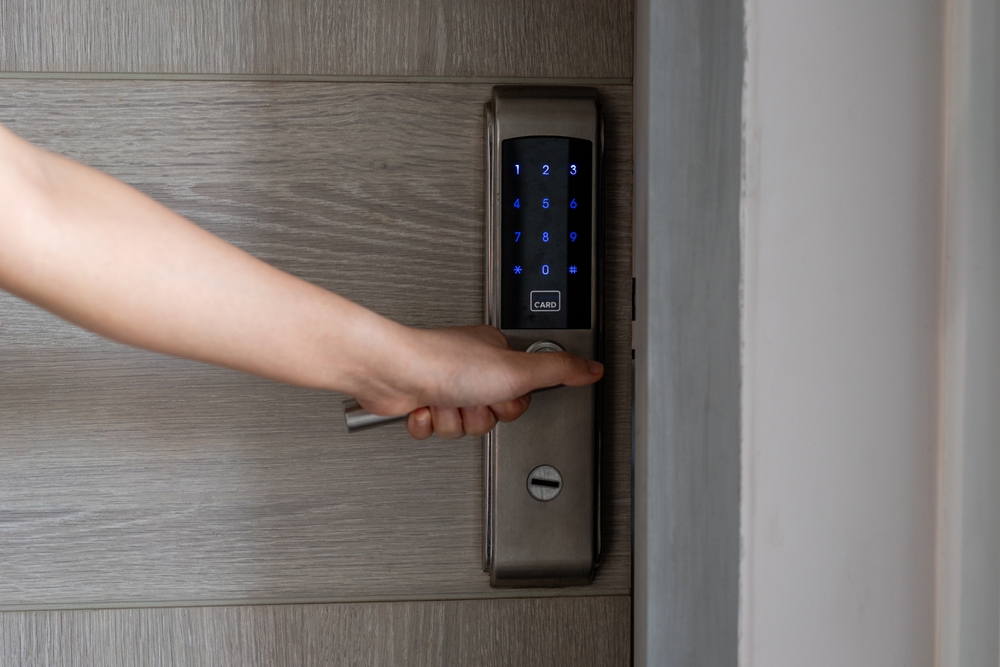
Smart locks promise convenience. They open your door with a tap, share temporary codes with guests and check activity from your phone. But are smart locks safe? The answer is yes, when you pick the right product, install it correctly and follow a few security best practices.
This article aims to explore the real pros and cons, so you don’t have to. We’ll tell you what to look for (especially for uPVC doors), how battery life and installation cost affect the decision and practical steps LockCo can take care of for you.
Should You Consider a Smart Lock?
Smart locks are an appealing upgrade for many households, especially if you value everyday convenience. With features like remote access and built-in audit trails, they can make managing your home security feel effortless. When paired with a reputable brand and a professional installation, a smart lock can be a strong, reliable choice.
You’re likely a good fit for a smart lock if you’re looking for:
- Remote access from your smartphone
- Temporary or shared access codes for family, visitors or contractors
- Activity logs and alerts so you always know who’s coming and going
- Integration with your wider smart home setup
They may not be the perfect solution for everyone though. If your top priority is keeping costs as low as possible or you’re concerned about the maintenance and updates that smart devices require, a traditional mechanical lock may be the better option.
What Are The Benefits of Smart Locks?

- Convenience & access control – with a smart lock you can create temporary PINs or unlock remotely for deliveries. This makes them great for holiday lets and busy households.
- Audit trails & alerts – many models log who came, when they came and then alert you if the door is left open or someone tries to tamper with it.
- Integration with smart homes – link to alarms, cameras or routines (e.g., lights on when the door opens).
- Multiple entry methods – phone app, keypad, fingerprint or card plus a mechanical key fallback for resilience. LockCo stocks a range locking products and can advise which fits your door type.
What Are The Downsides to Smart Locks?
| Risk | What can happen | How to reduce the risk |
| Hacking / remote compromise | Poorly designed devices or default passwords can be exploited | Buy devices meeting UK cyber rules, change default passwords, enable 2FA where available and keep firmware updated. |
| Battery failure | Lock becomes inoperable if batteries die unexpectedly | Choose models with 6-12+ month battery life, low battery alerts. |
| Poor mechanical security | A weak lock body or cylinder can be forced even if electronics are secure | Fit a high-security cylinder or deadbolt alongside the smart mechanism, most reliable installs pair both. LockCo can supply and fit secure cylinders for uPVC and composite doors. |
| Dependence on Wi-Fi / cloud | If cloud service or hub fails, some remote features degrade | Prefer local-first designs and models with offline keypad/key options. |
| Privacy & vendor support | Poor update policy means vulnerabilities remain | Check vendor update/support timelines and pick manufacturers that publish update windows. |
What Are The Best Smart Locks for uPVC Doors?
uPVC doors commonly use multipoint mechanisms. Not every smart lock is compatible. When choosing a smart lock for uPVC doors:
- Look for uPVC-specific retrofit kits or locks designed to work with multipoint gear.
- Confirm the smart unit interfaces with an existing cylinder or replaces the thumbturn without altering the multipoint.
- Ask us about anti-snap / anti-bump cylinder options if you keep a keyed override.
How Much Does Smart Lock Installation Cost?
Installation cost for smart locks varies by door type and complexity. Typical UK price ranges between:
- DIY/simple retrofit: lock unit £100-£250 (no labour)
- Professional installation: approximately £125–£250 labour (total job £200–£500 including hardware). Prices vary by region and brand.
Is Battery Life Good in Smart Locks?
Smart locks battery life depends on communication method and features:
- Bluetooth models: often 9-12 months under typical use.
- Wi-Fi-native models (always online): 6-9 months is common because Wi-Fi demands more power.
- Always check for low battery alerts, external 5V emergency power input and recommended battery type (AA alkalines or lithium).
Key Things to Check When in The Market for a Smart Lock
- Confirm compatibility with your door type (uPVC, composite, timber).
- Verify mechanical strength (grade/kitemark, anti-snap cylinder).
- Check connectivity: Bluetooth vs Z-Wave vs Wi-Fi.
- Ask about firmware updates & vendor support windows.
- Plan for professional installation if you have a multipoint uPVC door.
Ready to Upgrade Your Home Security? Go Smart With Lockco
If you’re leaning towards a smart lock but you’re not quite sure which model fits your door, your lifestyle or your security needs, you don’t have to guess. LockCo can walk you through it. Whether that means choosing a fully smart setup, a hybrid system with a mechanical override or simply upgrading the lock you already have.
Think of it like this: the right lock should make your life easier, not more complicated.
If you’d like tailored advice or you want a quick quote for supply and installation, you can reach out to us directly here. Alternatively, explore the full range of our smart and mechanical options online today.
Frequently Asked Questions
Are smart locks secure?
Yes, smart locks are secure when you choose trusted brands, use strong passwords/2FA, keep firmware updated and combine with robust mechanical hardware.
How much does smart lock installation cost?
Smart lock installation can cost anywhere £125-£250 for the labour, not the actual product itself. Total cost completely varies on the door complexity, size of project and the product itself.
What’s the best smart lock for a uPVC door?
The best smart lock for a uPVC door would be a uPVC-compatible model or retrofit kit that supports multipoint mechanisms. LockCo can recommend tested options for your exact door.
How long do smart lock batteries last?
Smart lock batteries tend to last 6-12+ months, depending on model and usage. Choose models with low-battery alerts and emergency power options.